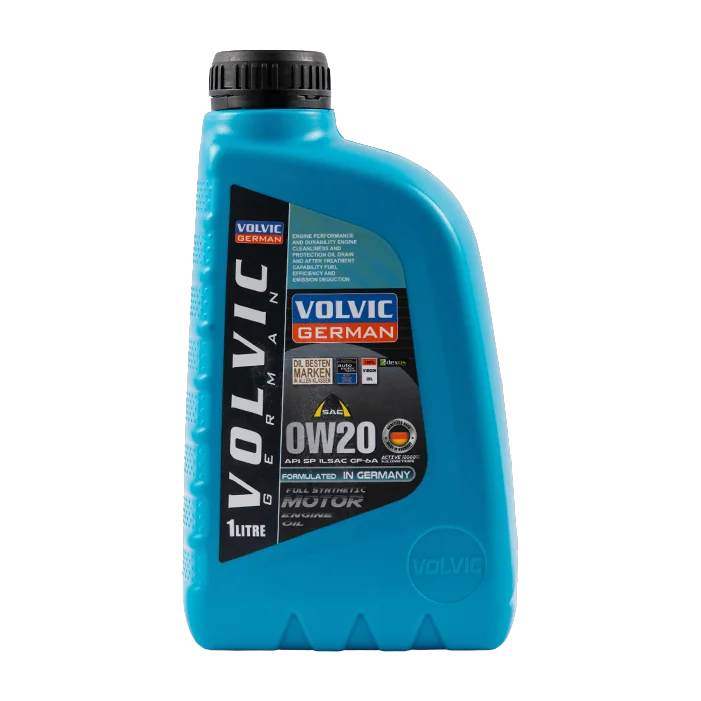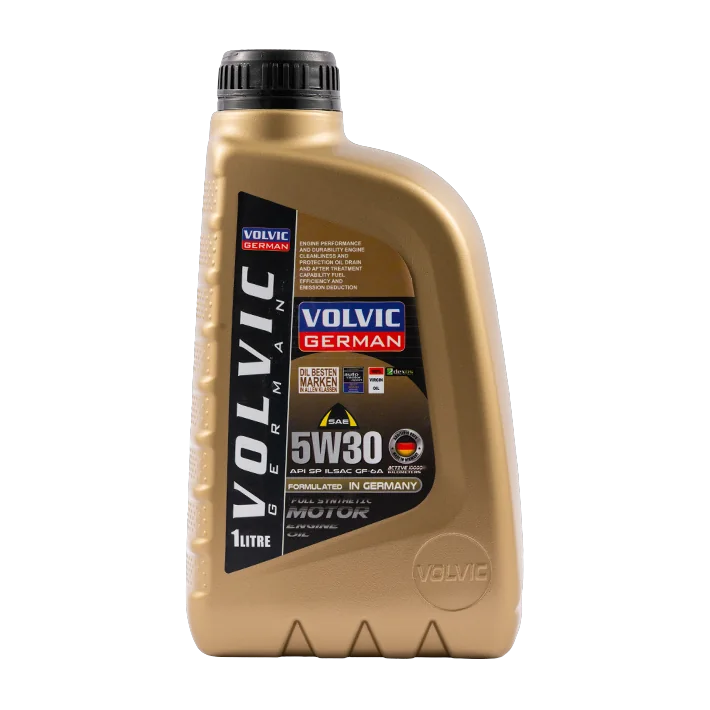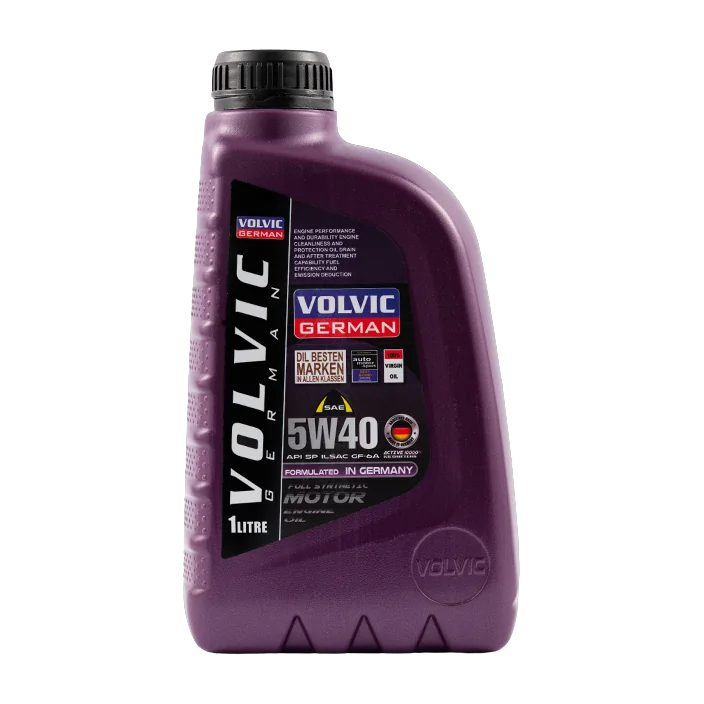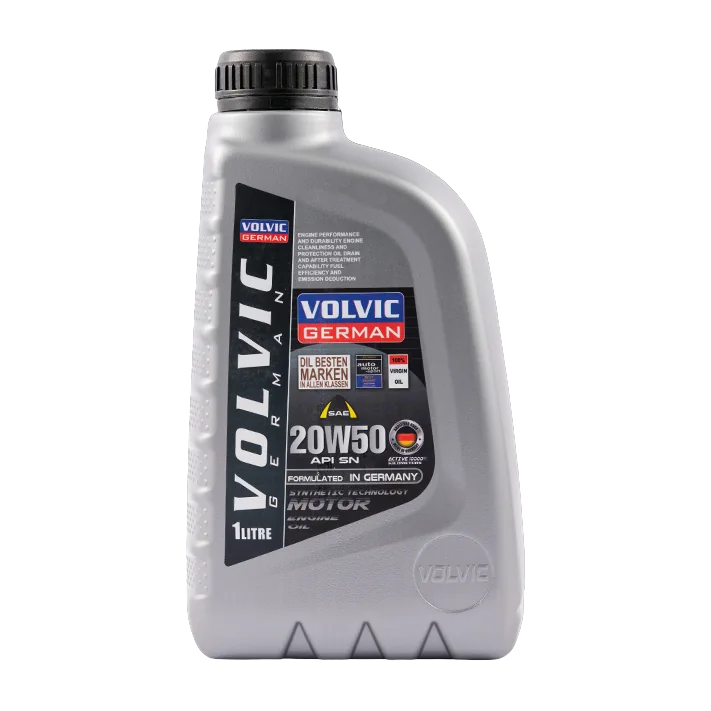
What 5W-30 means
A multigrade oil carries two numbers. The first, followed by W, describes how the oil flows on a cold start: the lower it is, the faster the oil reaches the top of the engine. The second describes how thick the oil stays at normal operating temperature, around 100°C.
Heat does not automatically mean a thicker oil
Summer in Riyadh is hard on engines, but the cooling system holds oil temperature in a set range once the engine is warm. Modern engines are built with tight clearances and are designed around thin oils such as 0W-20 or 5W-30. Putting a much thicker oil in them can slow lubrication on start-up and raise fuel use.
Older engines are a different case. Many were specified for 20W-50 from new, and that remains the right choice for them.
A simple way to choose
Read the grade and the specification in the owner's manual or on the oil filler cap. Match both. If the manual allows more than one grade, the higher second number is the one usually listed for sustained high temperatures. Diesel trucks and buses need an oil with a diesel specification such as API CI-4 or CH-4.
General guidance only. The vehicle manufacturer's manual takes priority.