Motor Flush
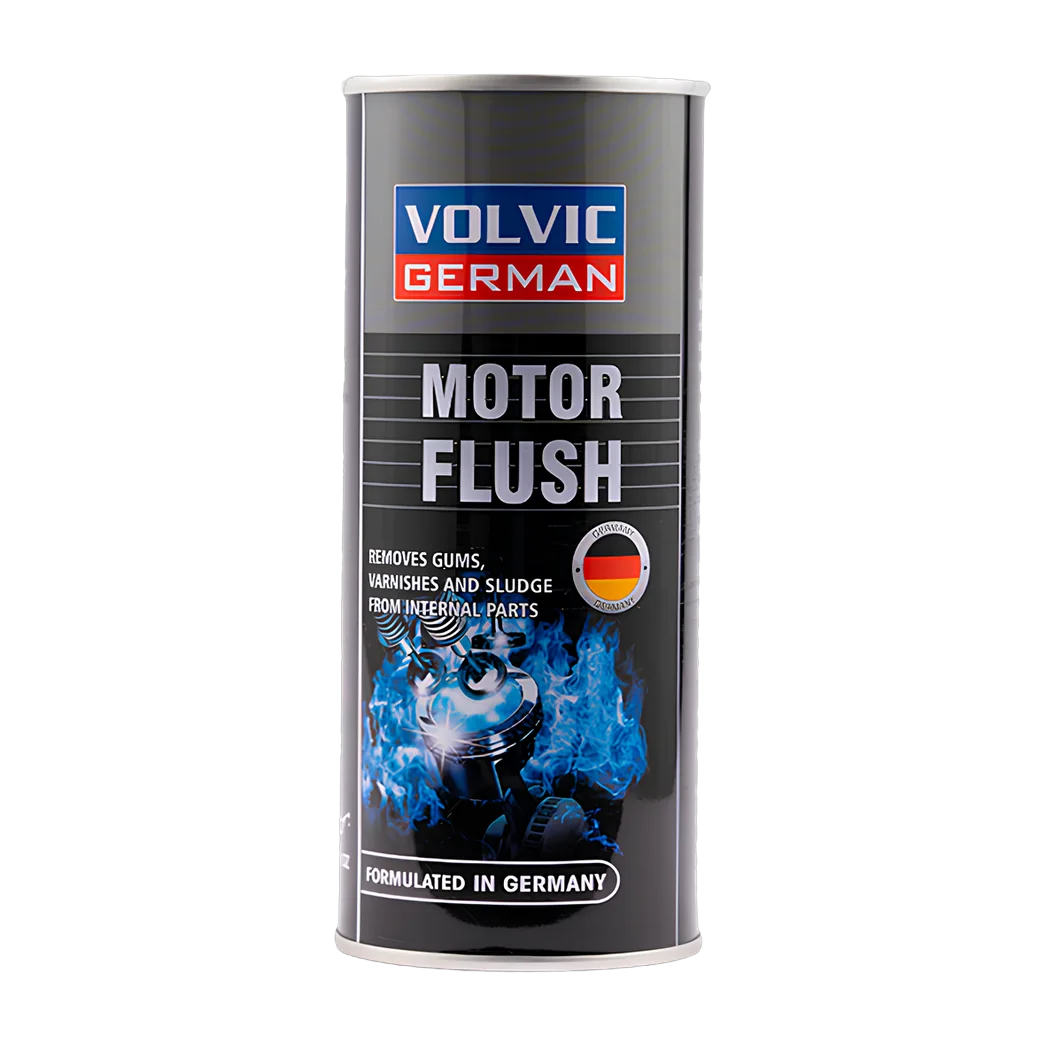
Removes deposits from internal engine parts before an oil change.
443 g
Engine and fuel-system treatments for the oil change and the fuel tank.
Additives in two groups. Engine treatments are used around the oil change: Motor Flush before draining, Super Oil Treatment for oil consumption, and Hydraulic Lifter Additive for tappet noise. Fuel treatments go into the tank: Fuel Injector Cleaner, Fuel System Cleaner, Octane Booster and Catalytic System Cleaner. Follow the dosage printed on each pack.
Fuel additives explained: injector cleaner, system cleaner, octane booster
Removes deposits from internal engine parts before an oil change.
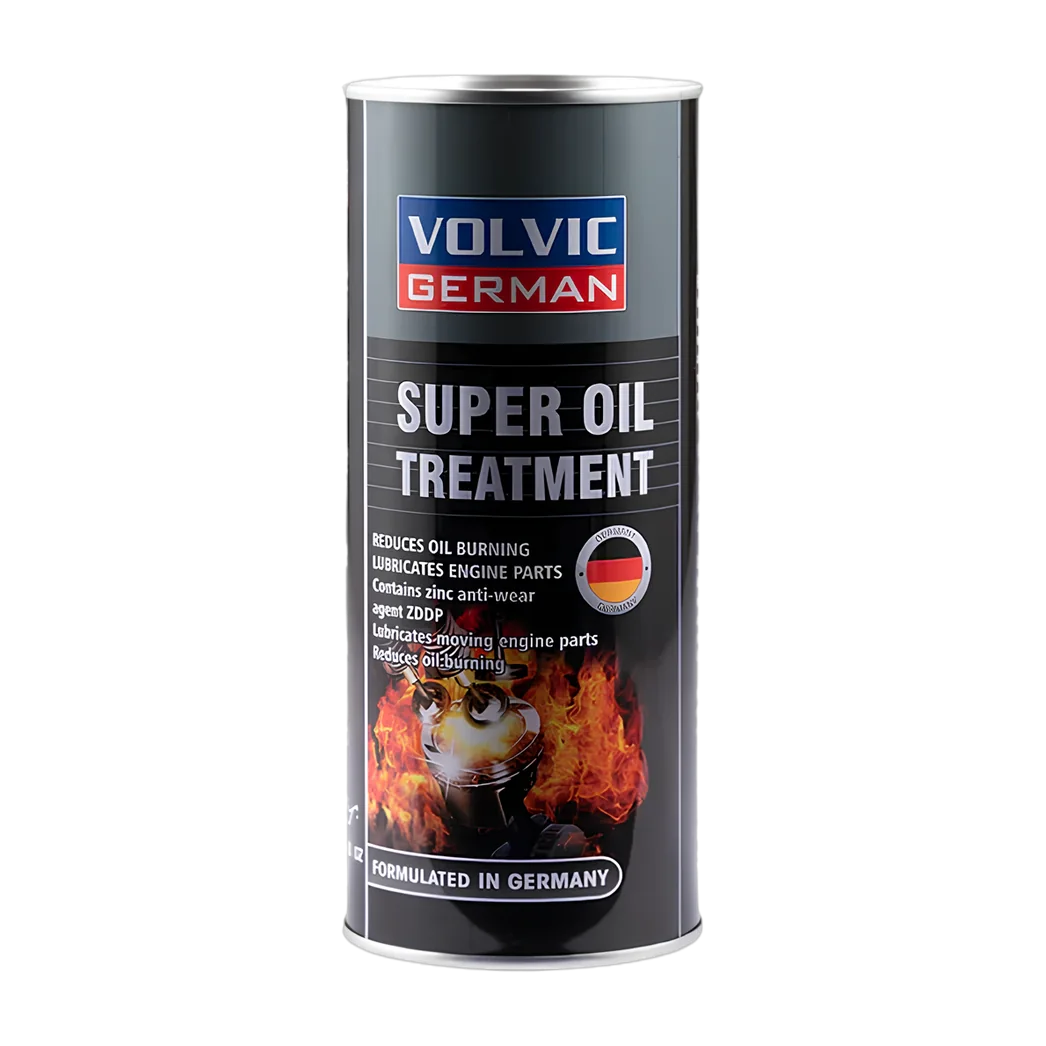
Reduces oil consumption and lubricates engine parts. Contains ZDDP.
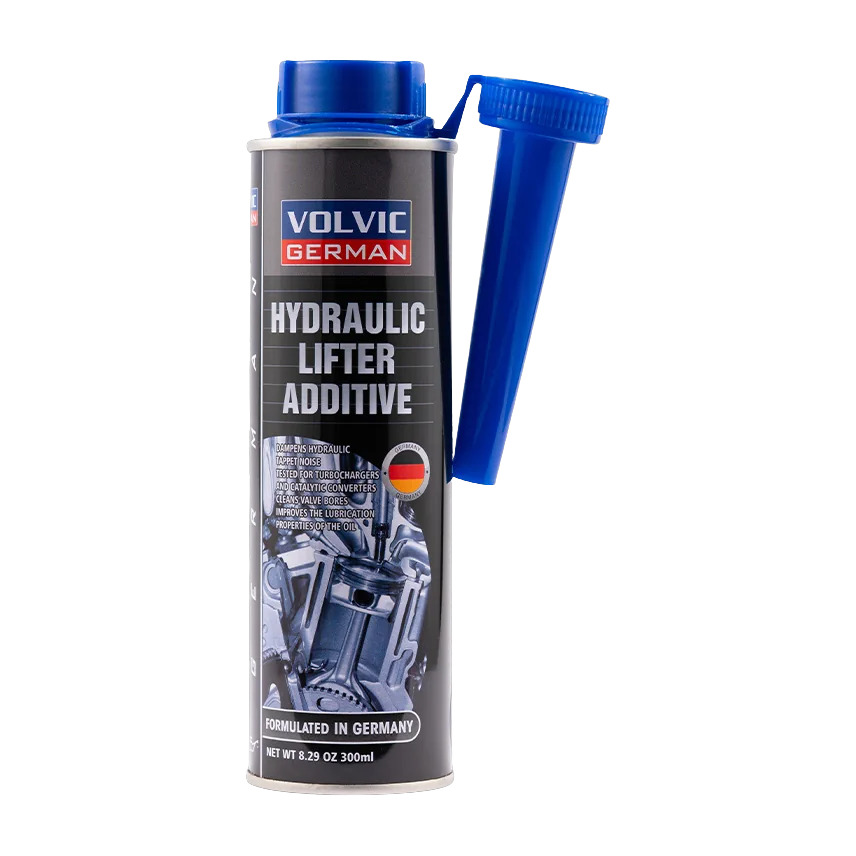
Dampens tappet noise and cleans valve bores. Stated as safe for turbochargers and catalytic converters.
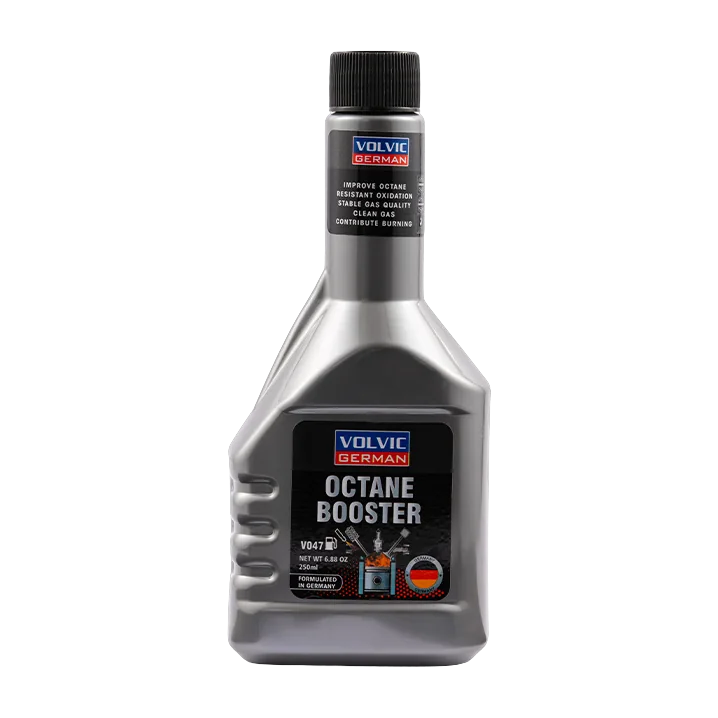
Fuel additive that raises the octane rating and improves combustion, to reduce knock and sharpen engine response.
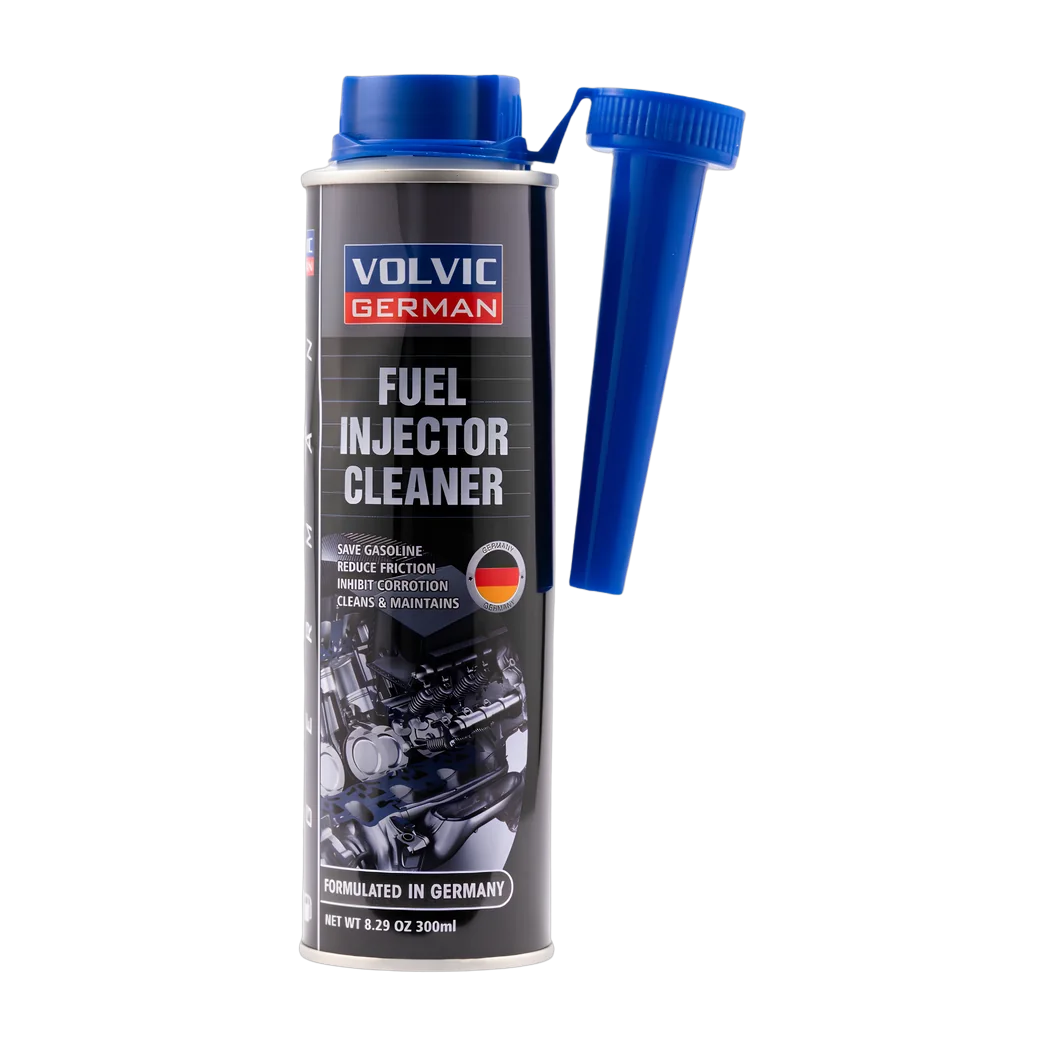
Petrol injector cleaner added directly to the tank. It breaks down carbon deposits in the injection system while the engine runs.
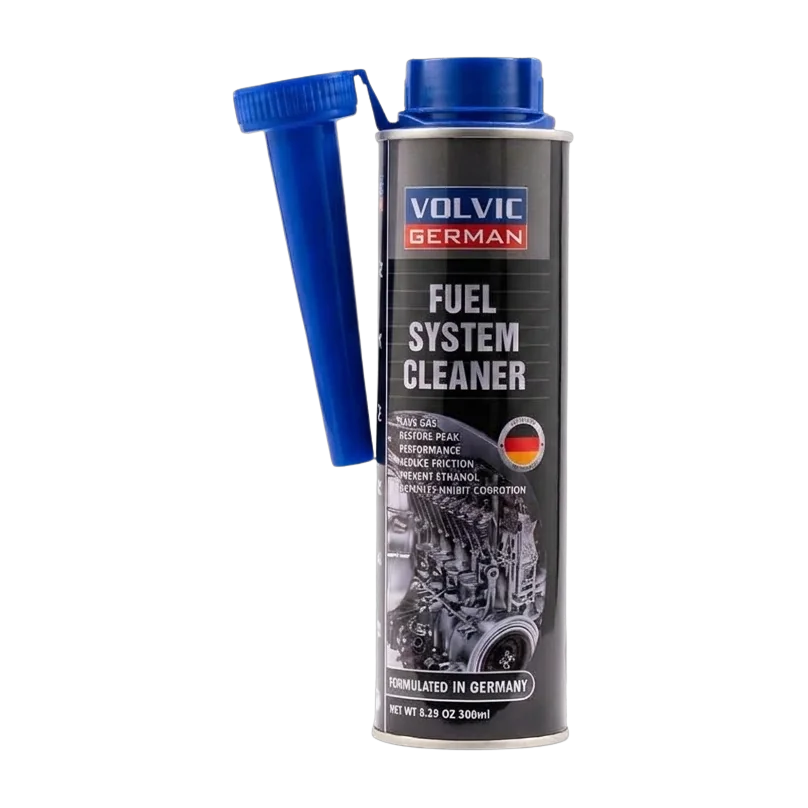
Treatment for the whole fuel system: injectors, intake valves, fuel lines and combustion chamber.
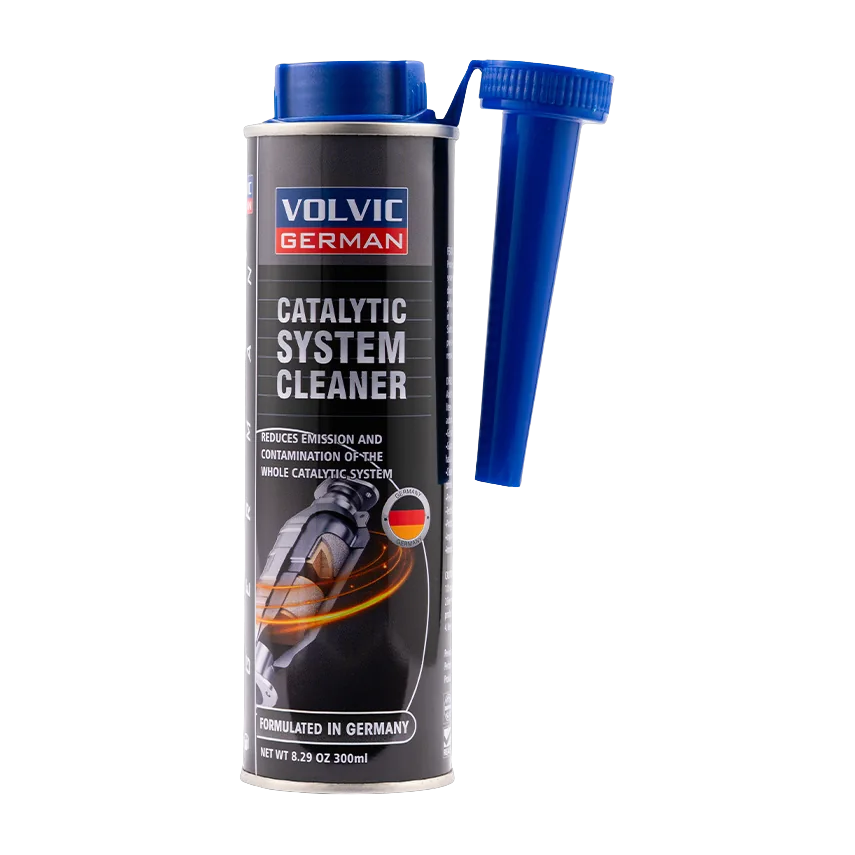
Fuel additive that cleans the catalytic converter, fuel system and combustion chamber of carbon deposits and soot.
Immediately before an oil change. It is added to the old oil to loosen deposits and oxidised oil, then drained out with it. Follow the directions on the can.
Fuel Injector Cleaner targets carbon deposits on the injectors. Fuel System Cleaner treats the whole path: injectors, intake valves, fuel lines and combustion chamber.
Pour the bottle into the tank before filling up so the fuel mixes it in. Use one treatment at a time and follow the dosage on the pack.
It is for petrol engines that knock or ping on the fuel available. It raises the octane rating to reduce knock and improve response.
Automatic transmissions and power steering systems that specify Dexron II or Dexron III. Check the manual first: transmissions that call for a different specification, including most CVTs, need their own fluid.