What they have in common
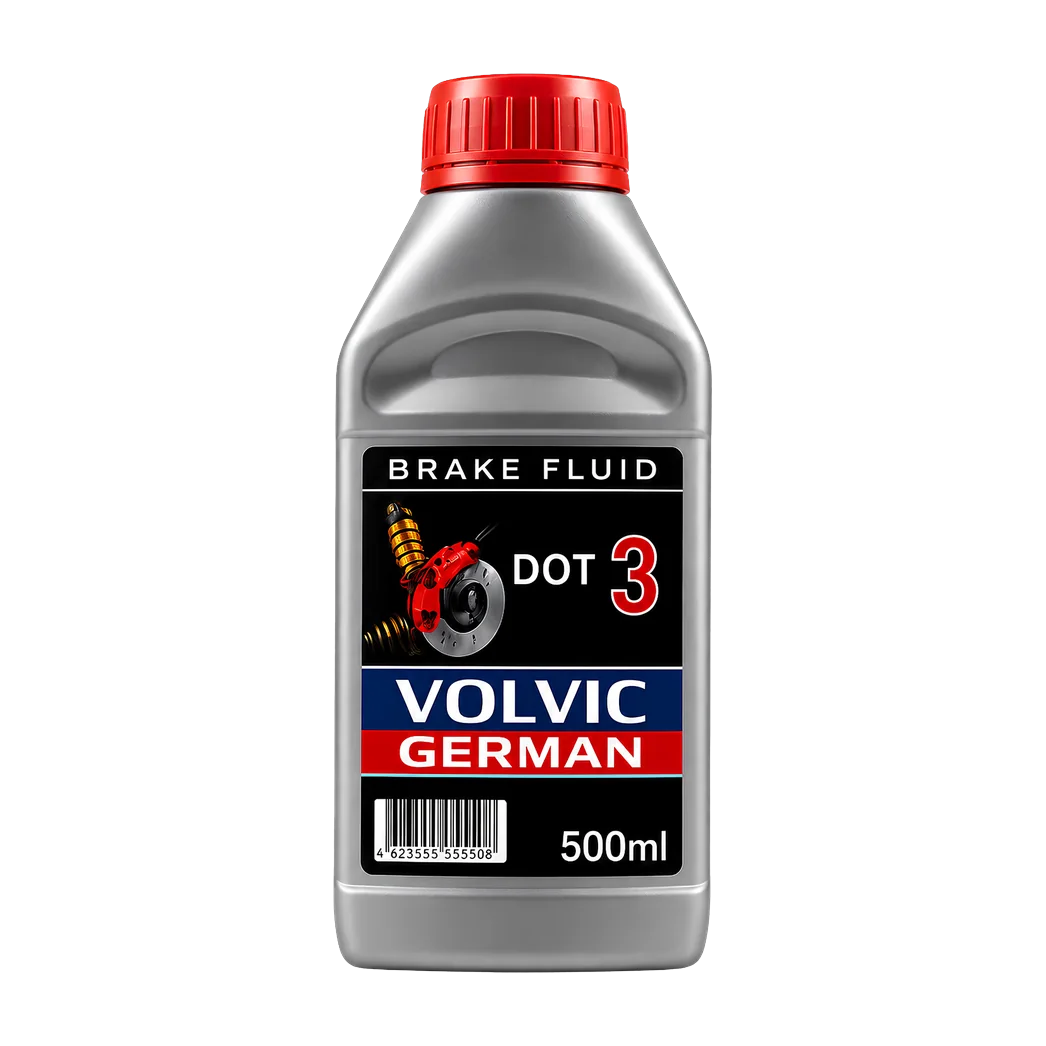
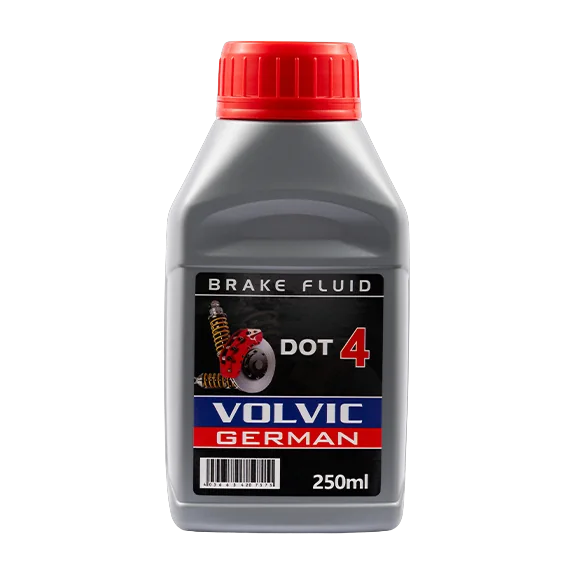
DOT 3 and DOT 4 are both glycol-based fluids. Both absorb moisture from the air over time, and that moisture lowers the boiling point. That is why brake fluid is replaced on a schedule.
Where they differ
The standard sets a minimum dry boiling point of 205°C for DOT 3 and 230°C for DOT 4. Once the fluid has absorbed moisture, the minimums are 140°C and 155°C. Under hard or repeated braking, a fluid that boils creates vapour in the lines and the pedal goes soft. DOT 4 gives more margin before that happens.
Which one to use
Use the grade on the reservoir cap or in the manual. Many systems specified for DOT 3 can also run DOT 4, but a system that specifies DOT 4 should not be filled with DOT 3. Follow the vehicle maker's change interval, and keep opened bottles tightly closed.
General guidance only. The vehicle manufacturer's manual takes priority.